This year's Mental Health Awareness Week gave us an opportunity to pause, reflect, and support open conversations across the business, both onsite and working from home.
15 May 2026
During the Great War there were many fundraising events designed to provide aid to wounded soldiers or those suffering in the theatre of war. Particularly popular were 'flag-days', when small colourful paper flags, emblems and badges were sold for a penny or more each. A collection of 47 different 'penny flags’ will form part of the Military section in Sworders’ Homes and Interiors sale on October 29.
During the Great War there were many fundraising events designed to provide aid to wounded soldiers or those suffering in the theatre of war. Thousands of British women of all classes became involved in Voluntary Aid Detachments (VADs) and some put their organisational skills to use by setting up and running their own war charities. Particularly popular were 'flag-days', when small colourful paper flags, emblems and badges were sold for a penny or more each. Agnes Brysson Morrison, the daughter of an Edinburgh lawyer, is credited with starting the movement that would raise over £25m before the war's end.
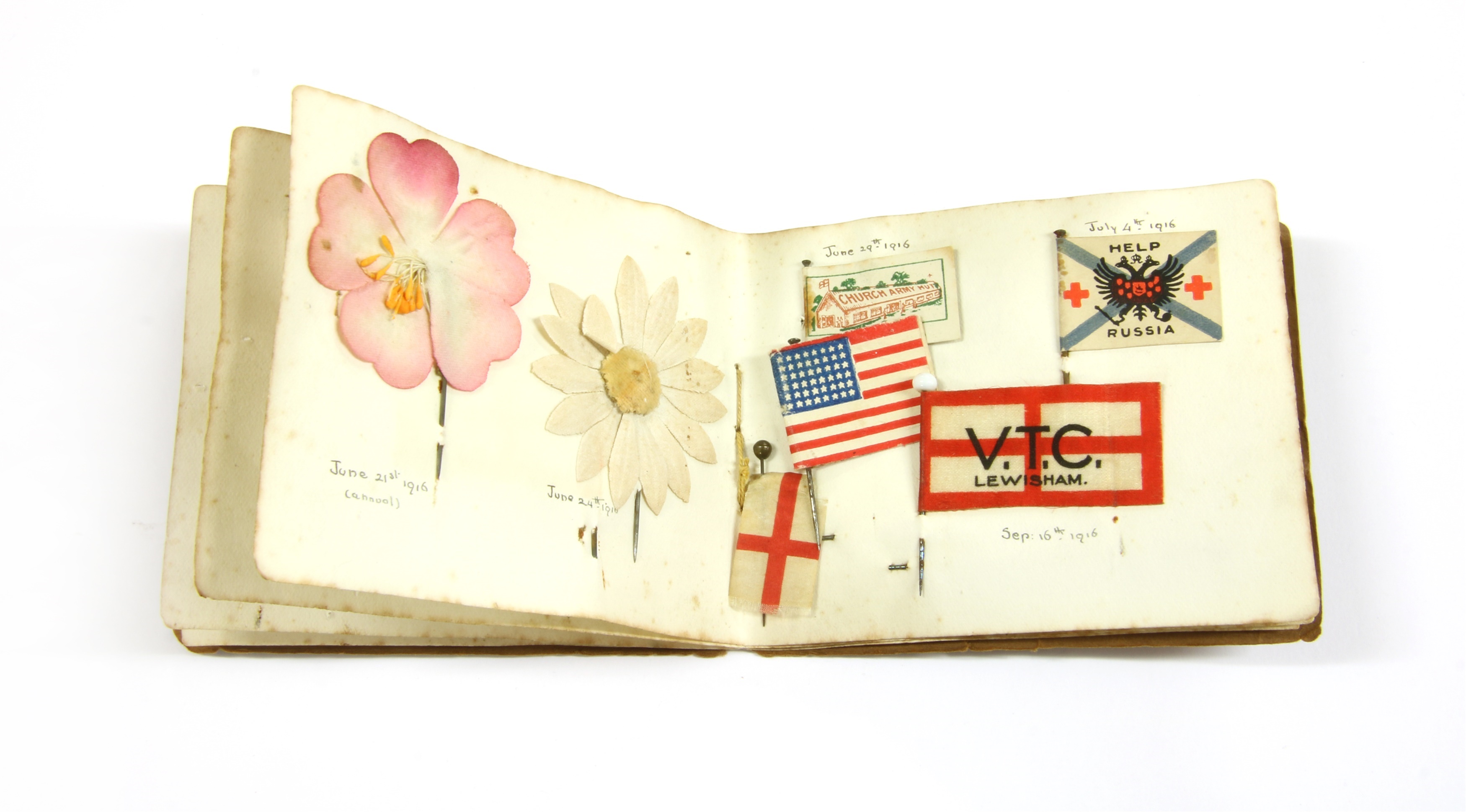
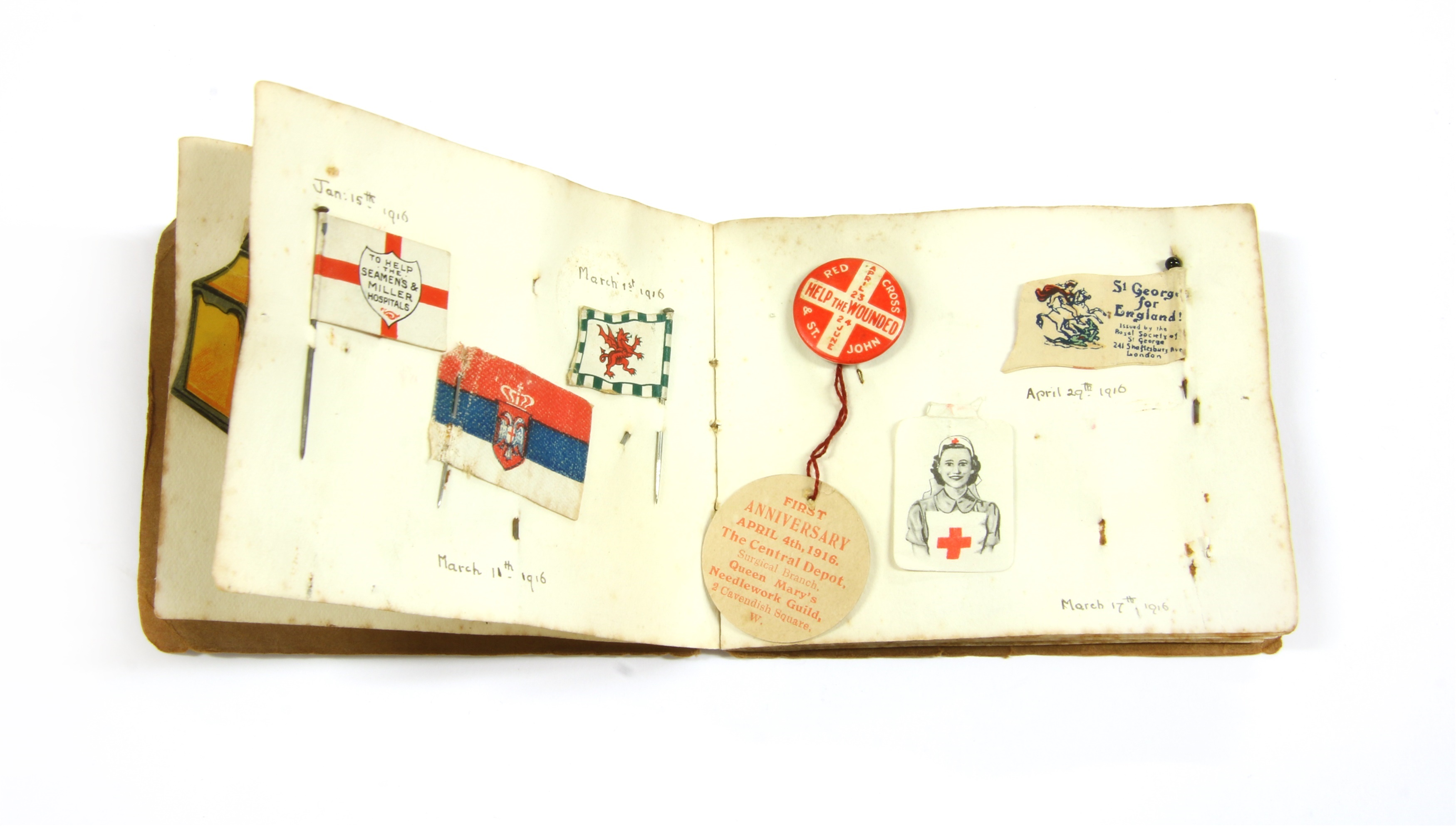 Although produced in large numbers these paper flags were quickly discarded and are surprisingly rare today. A collection of 47 different 'penny flags’ will form part of the Military section in Sworders’ Homes and Interiors sale on October 29. Each pin is dated in the album (from March 10, 1915 to April 25, 1917) with examples including the fabric pink rose for Queen Alexandra's Rose Charity (June 21 1916); 'Help Russia' (July 4th 1916) and 'YMCA Hut Day', The Young Men's Christian Association opened hostels for soldiers on leave and awaiting training who had to stay overnight in London - these were known as huts. This evocative collection is estimated at £80-120.
Our 19 May Old Master, British & European Art auction features portraits of the third and fourth Prime Ministers of Great Britain; forming part of The James Thursby-Pelham Collection.
14 May 2026
During the latter half of the 19th century, North Indian calligraphers based in Delhi were working through a transformative period, as the Mughal Empire’s official patronage waned and British colonial influence expanded.
11 May 2026