This year's Mental Health Awareness Week gave us an opportunity to pause, reflect, and support open conversations across the business, both onsite and working from home.
15 May 2026
Drawings of local East Anglian village life, by one of the region’s best known artists Edward Bawden, are part of our April Modern British & 20th Century Art Auction.
Drawings of local East Anglian village life, by one of the region’s best known artists Edward Bawden, are part of our April Modern British & 20th Century Art Auction. The two pen and ink studies by Edward Bawden (1903-1989) come for sale from a local private collector.
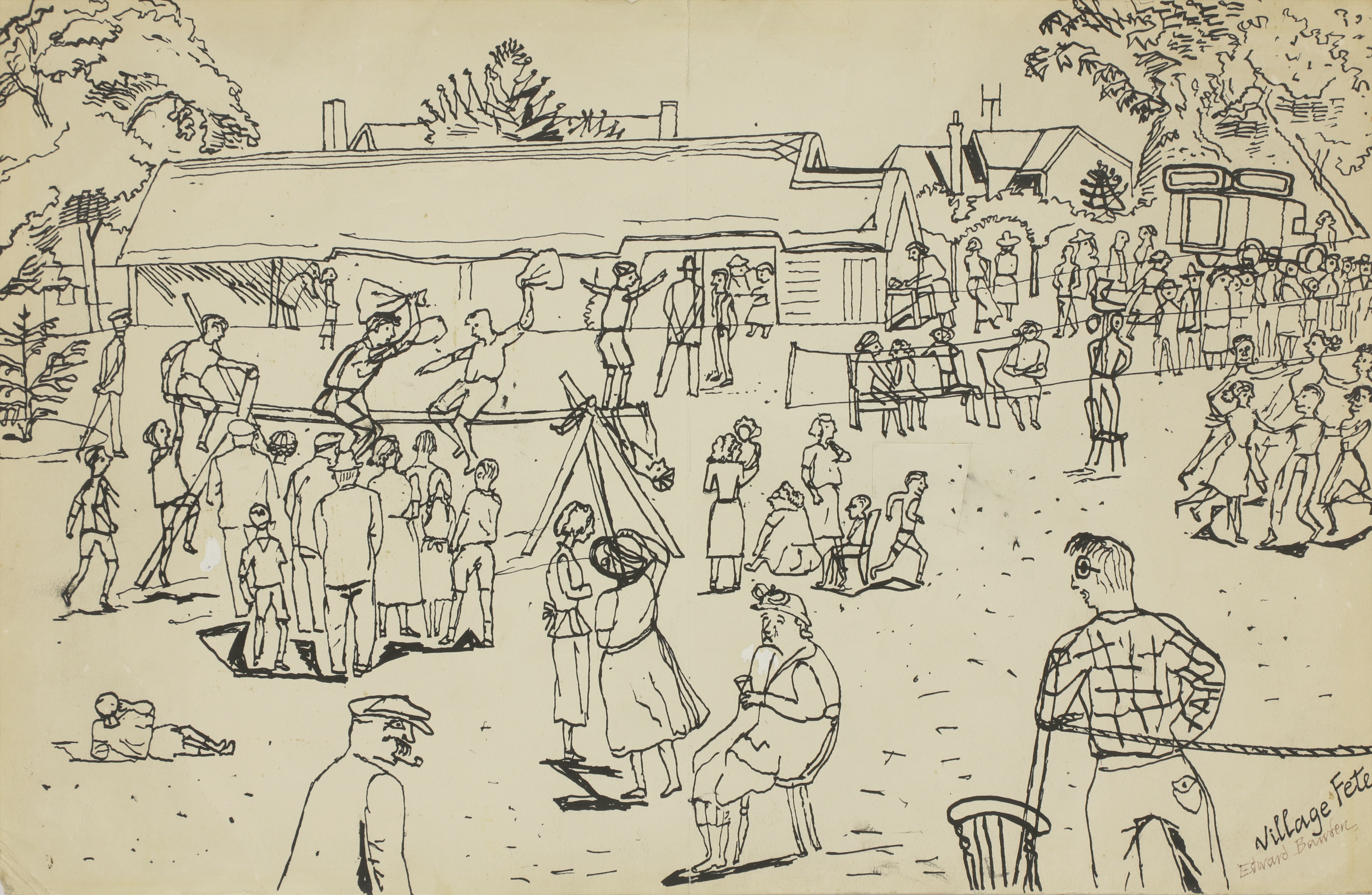
Edward Bawden (1903-1989) VILLAGE FETE, Pen and ink, Estimate £1,500-2,000
Titled 'Morris Dancing at Thaxted' and 'Village Fete', these were two of a dozen drawings created by Bawden for use in 'The English Scene', a diary and notebook published by textiles firm Morton Sundour Fabrics. At the height of the vogue for the group of figurative artists who lived and worked in and around Great Bardfield in Essex, Bawden was invited to illustrate the diary for a number of years in the early to mid 1950s. These date from the edition published in 1955, the year before Bawden was elected as a full Royal Academician.
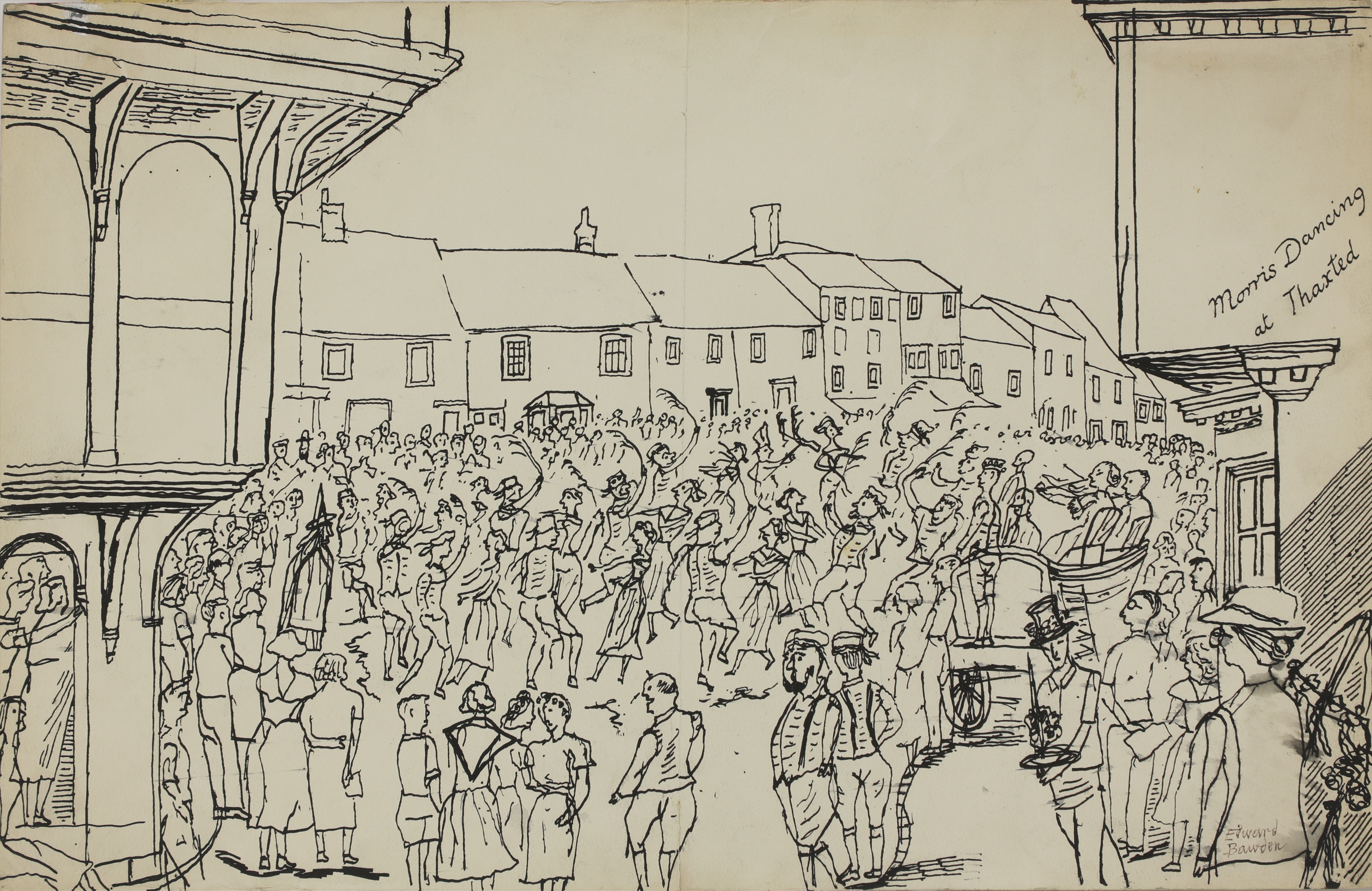
Edward Bawden (1903-1989) MORRIS DANCING AT THAXTED, Pen and ink, Estimate £1,500-2,000
Interest in Bawden’s work and his life in Great Bardfield (and later in Saffron Walden) has risen again in the past decades. Alongside rising prices for his prints, paintings and drawings, the Morton Sundour Diary and Notebook was republished by the Victoria and Albert Museum in 2012.
These original illustrations, each around 27 x 42cm, will carry expectations of £1,500-2,000 as part of our Modern British Art sale on April 28.
For more information please contact Jane Oakley
janeoakley@sworder.co.uk | 01279 817778
Our 19 May Old Master, British & European Art auction features portraits of the third and fourth Prime Ministers of Great Britain; forming part of The James Thursby-Pelham Collection.
14 May 2026
During the latter half of the 19th century, North Indian calligraphers based in Delhi were working through a transformative period, as the Mughal Empire’s official patronage waned and British colonial influence expanded.
11 May 2026