
Edward Atkinson Hornel was a notable Scottish painter associated with the Glasgow Boys, a group of influential artists who sought to break away from traditional Victorian art styles. Born in Bacchus Marsh, Australia, Hornel moved to Scotland at an early age, where he later developed his distinctive style, which combined elements of impressionism and post-impressionism.
3 June 2024
VIEW LOT REQUEST A VALUATION CONTACT A SPECIALIST
A close friendship with fellow artist George Henry was pivotal in his artistic development. The two artists collaborated extensively, sharing ideas and techniques that helped shape their individual and collective works, and one of the most significant events in Hornel's life was a trip he and Henry took to Japan in 1893. The pair spent over a year there, immersing themselves in the local culture and art. This journey profoundly influenced Hornel's artistic perspective and output, involving a deep study of traditional Japanese art forms, including woodblock prints and screens. The Japanese approach to composition and use of colour made a great impression on Hornel, leading to a noticeable shift in his style on his return to Scotland.
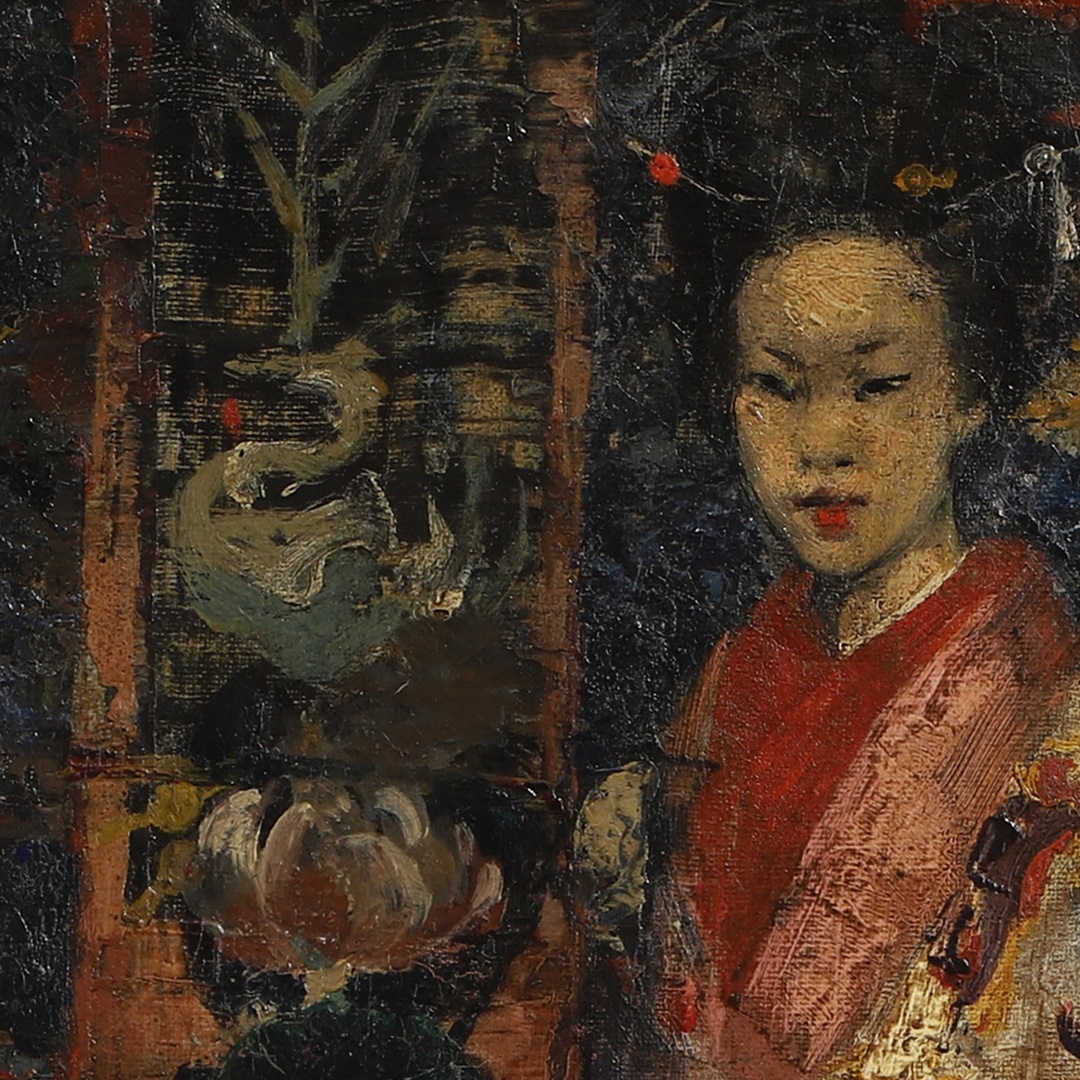
Edward Atkinson Hornel (1864-1933) A young geisha in an interior signed and dated 'E. A . Hornel/94', oil on canvas 33 x 28cm (£10,000-15,000)
Hornel's depictions of geishas are among the most remarkable products of his Japanese sojourn. Through a Western lens he portrayed geishas with a blend of authenticity and idealisation. His paintings often feature vibrant colours, intricate patterns and a sense of movement and grace that capture the essence of Japanese aesthetics whilst infusing them with his unique artistic vision. The geishas in Hornel's works are not mere subjects, but symbols of a refined, almost other-worldly, beauty that fascinated Western audiences. His paintings convey a sense of tranquillity and timelessness, reflecting the influence of Japanese art's emphasis on harmony with nature and the elegance of everyday life.
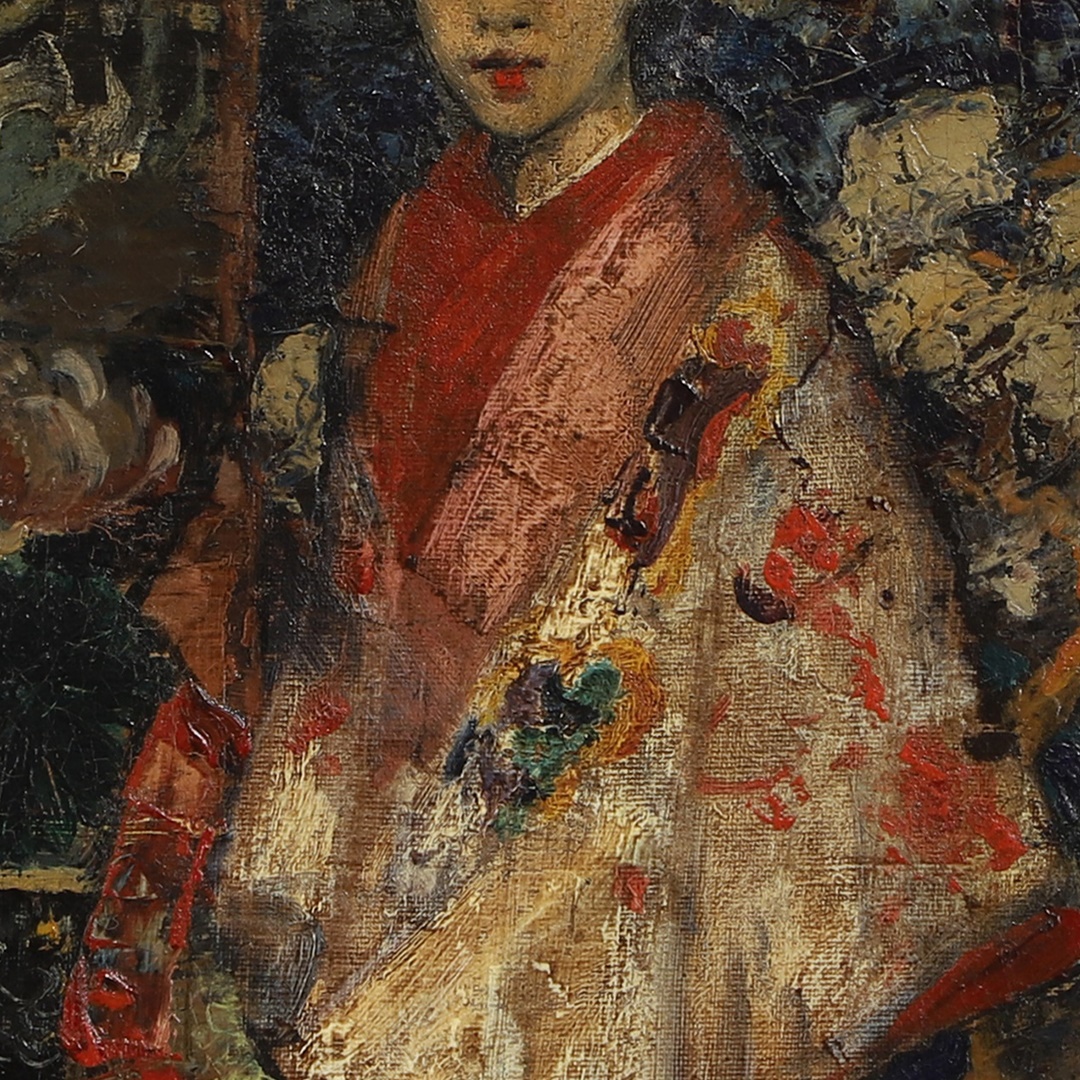
Edward Atkinson Hornel (1864-1933) A young geisha in an interior signed and dated 'E. A . Hornel/94', oil on canvas 33 x 28cm (£10,000-15,000)
Hornel's portrayal of geishas also highlighted the cultural exchange between East and West during the late 19th and early 20th centuries. His works provided a Western audience with a glimpse into a world that was both exotic and enchanting. By interpreting Japanese themes through his Western perspective, Hornel contributed to the growing interest and appreciation of Japanese culture in Europe.
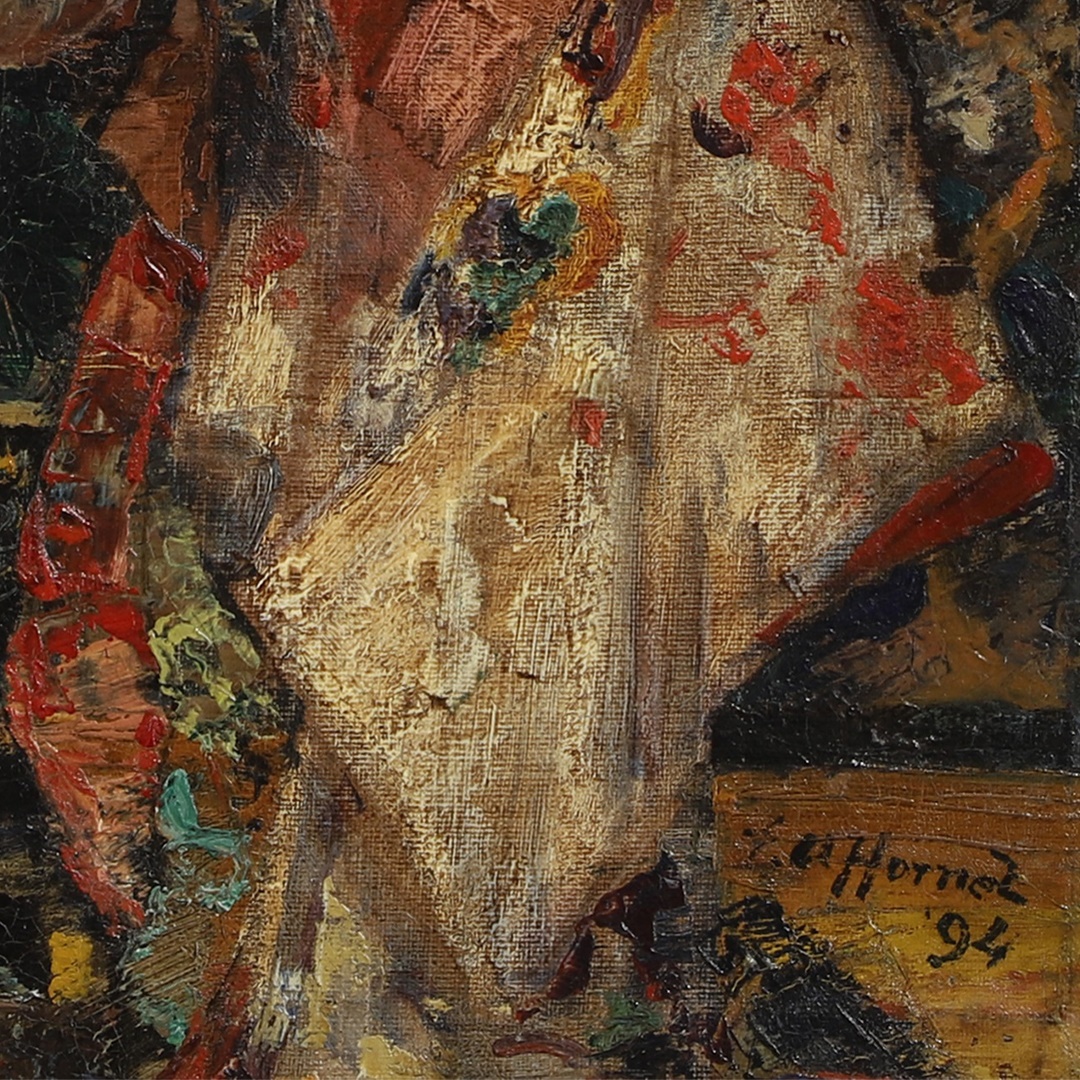
Edward Atkinson Hornel (1864-1933) A young geisha in an interior signed and dated 'E. A . Hornel/94', oil on canvas 33 x 28cm (£10,000-15,000)

pictures@sworder.co.uk | 01279 817778

Here, close friend, art historian and former Senior Curator of Modern British Art at Tate, Andrew Wilson, offers an insight into James Birch’s remarkable collection and the extraordinary life behind it. Having known James since the late 1980s, Andrew has witnessed first-hand his restless curiosity, his friendships with artists and his instinct for the unusual.
15 September 2026
Discover the story behind two rare photographs of Martin Luther King Jr. and Lal Bahadur Shastri, exploring their historic meeting in London, and the significance of the original colour film.
8 September 2026
Through a compelling series of photographs, this exhibition shines a light on The HALO Trust’s work in communities affected by conflict, capturing both the danger of landmine clearance and the hope that follows when land can be safely used again.
3 September 2026