
This exceptional collection of Nigerian Adire indigo textiles, alongside other significant West African fabrics and ceremonial robes, dates from the 1920s onwards. The pieces were carefully curated during the 1970s and 1980s, representing an important body of material culture that reflects the artistry and social history of Yoruba textile traditions.
2 June 2026
VIEW COLLECTION REQUEST A VALUATION CONTACT A SPECIALIST
The collection is offered in fifteen lots: two Nupe Bida or Hausa ceremonial robes are offered individually, with the adire cloths grouped in pairs to fours. All pieces are in excellent condition, having been exceptionally well preserved throughout.
Adire is a traditional, indigo-dyed cloth originating from the Yoruba people of Nigeria, West Africa. The craft has historically been passed through generations of women, with knowledge and skills shared within families and households. The textiles often feature symbolic patterns and social motifs, each reflecting aspects of Yoruba identity, status and daily life.
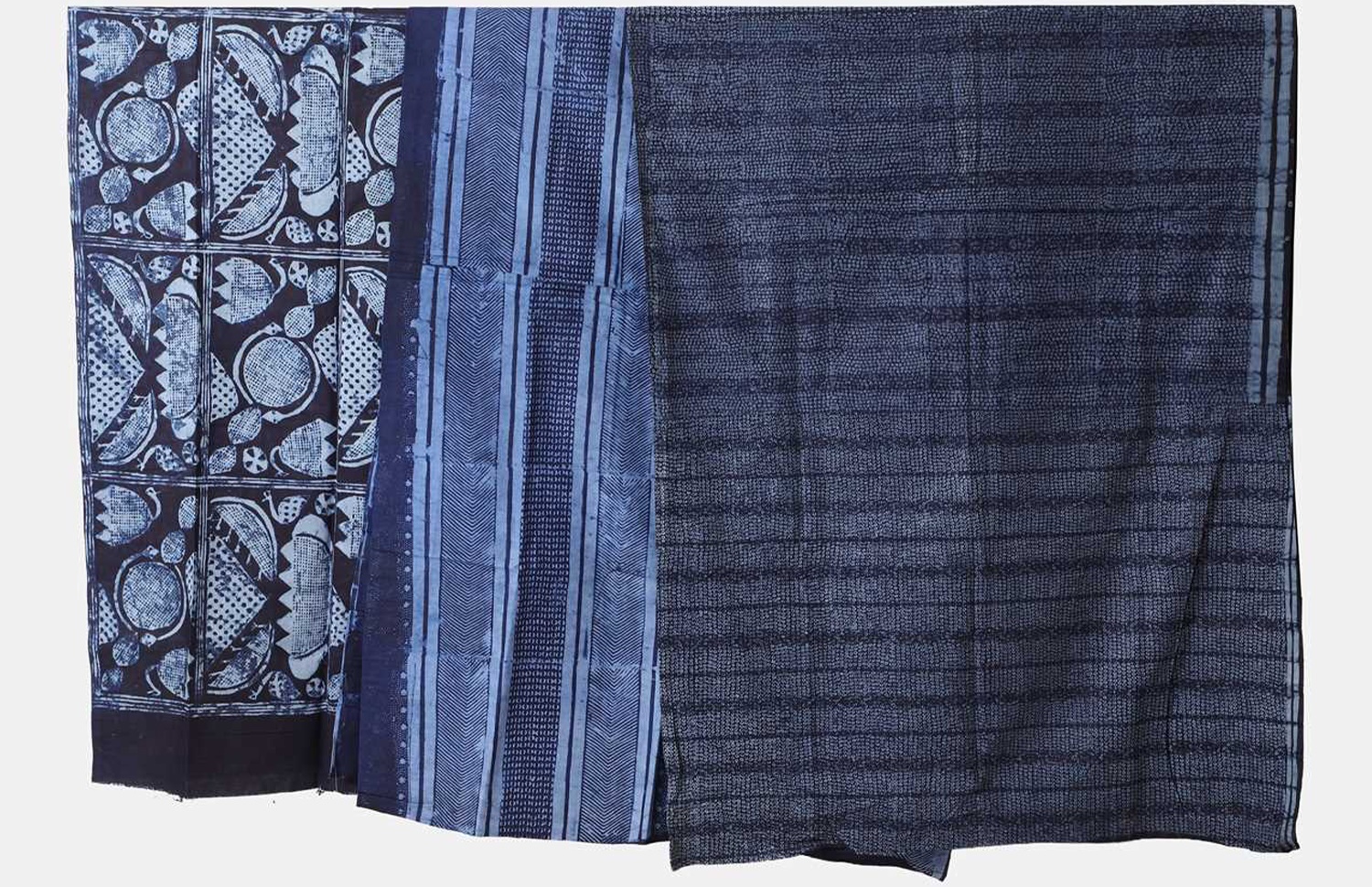
Three Yoruba adire eleko indigo cloths, third quarter of the 20th century, Nigerian (£300-500)
The specialised techniques required to produce adire – particularly the traditional starch-resist, thread-resist, and stitch-resist methods of indigo dyeing – are no longer commonly practised. The Appio collection encompasses three distinct methods: adire eleko, in which cassava or rice starch paste is applied to resist the dye; adire eleso, a tie-and-bind technique; and adire alabere, worked with needle and thread in a running stitch to gather and resist the cloth. A collection of this technical breadth, combining museum-quality examples of all three methods in early and authentic examples, is particularly rare on the open market.
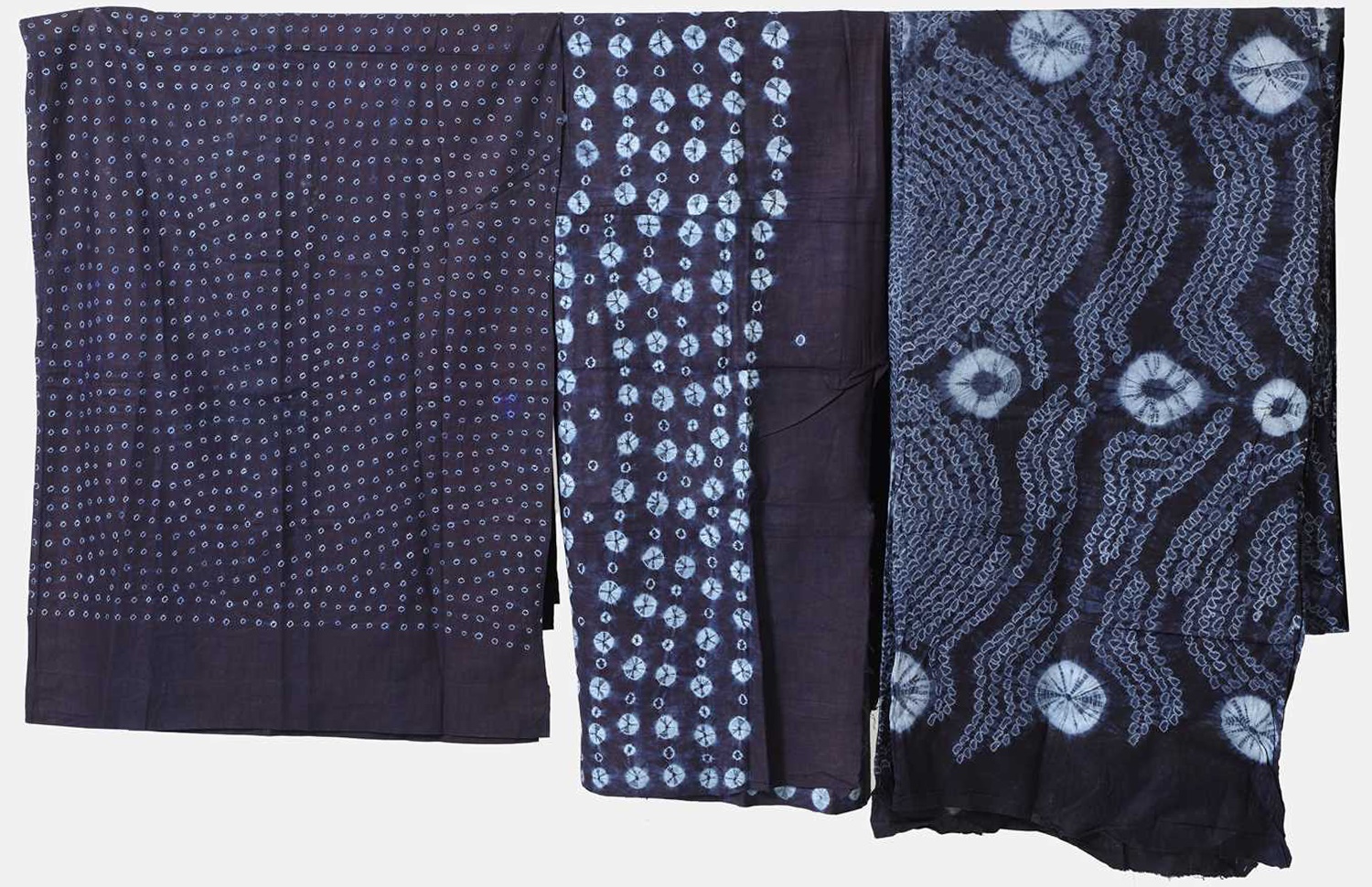
Three Yoruba adire eleso cloths, fourth quarter of the 20th century, Nigerian (£300-500)
The collection was built by the late collector and designer Judith Appio (1956–2010). Judith trained in interior design at Kingston School of Art, London, and went on to work for private clients in Britain and West Africa. She began collecting rare vintage West African fabrics in the 1970s, acquiring the pieces directly from villages and communities across the region over many years. Her dedication to documenting and preserving these textiles represents a significant lifelong undertaking, resulting in a cohesive and historically important collection. During her lifetime she sold items to private collectors and institutions, among them the filmmaker Bernardo Bertolucci and the British Museum.
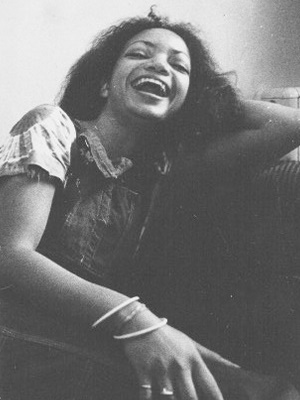
Judith Appio (1956–2010)
Adire and Nigerian Modernism
The cultural significance of Yoruba adire was prominently affirmed by the landmark exhibition Nigerian Modernism: Art and Independence at Tate Modern, London (8 October 2025 – 10 May 2026). The exhibition explored the rise of modern art in Nigeria before and after national independence, and adire featured not only as displayed objects but as a recurring visual and conceptual reference throughout the works on show.
Adire cloth appeared directly in two major works in the exhibition. The Bruce Onobrakpeya (b.1932) monumental triptych The Last Supper (1981), now in the Tate collection, incorporates indigo-dyed adire fabrics alongside colonial-era uniforms and Yoruba architectural motifs, to situate the biblical scene within south-western Nigeria. Separately, Susanne Wenger (1915-2009) – the Austrian-born artist who became a Yoruba high priestess and helped restore the Osun-Osogbo Sacred Grove – created adire works using the traditional cassava starch-resist method, including Mythos Odùduwà Schöpfungsgeschichte (1963), a textile depicting the Yoruba creation story.
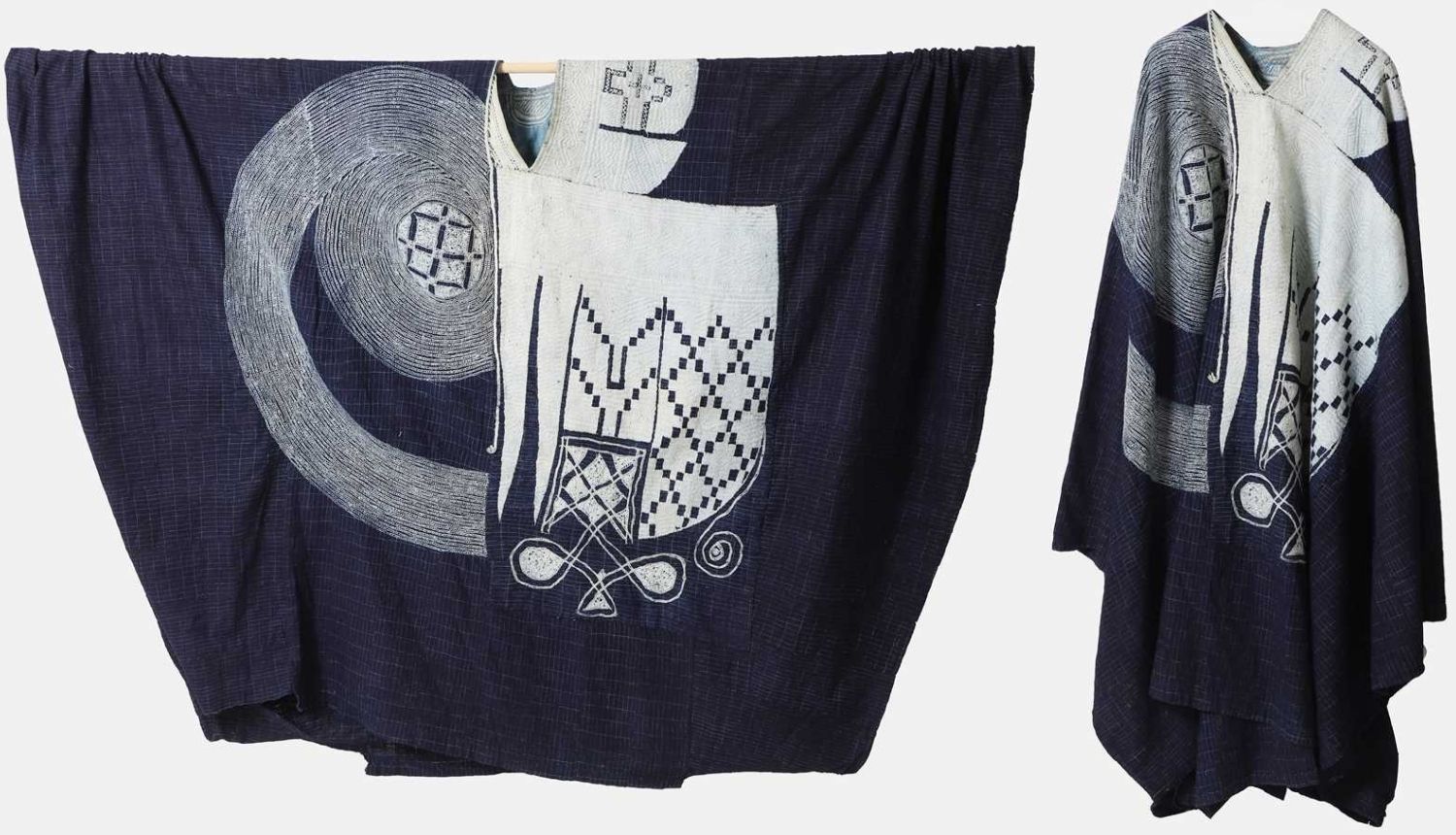
A Nupe Bida or Hausa men's agbada robe, second quarter of the 20th century, Nigerian (£300-500)
The deep indigo tones of adire are also cited in the exhibition as a formative influence on painting: Yusuf Grillo (1934-2021), one of the leading figures of Nigerian modernism, explicitly described his attraction to the colour blue as shaped by the indigo of traditional Yoruba adire textiles, an influence visible across his stylised figurative compositions. Nike Davies-Okundaye (b.1951), whose work also featured in the exhibition, traces her practice directly to adire, taught to her by her great-grandmother, and later taught by her to local women as a means of economic empowerment before she established the Nike Art Centre in Lagos in 1983.
The exhibition affirmed adire as central to the visual culture of 20th-century Nigeria – not simply as a craft tradition, but as an active reference point for artists working across painting, printmaking and sculpture, throughout the modern period.
Authentication and Scholarship
The collection has been authenticated by Dr Duncan Clarke, widely recognised as one of the UK's foremost authorities on West African textiles and author of African Textiles (2022) and African Textiles: The Karun Thakar Collection (2015). Clarke formed a large collection of 315 specimens of current production Yoruba textiles from Ile Ekejo in Nigeria as part of his thesis research in 1995, which is now in the British Museum, London (see Af1966,07.1 to 315).
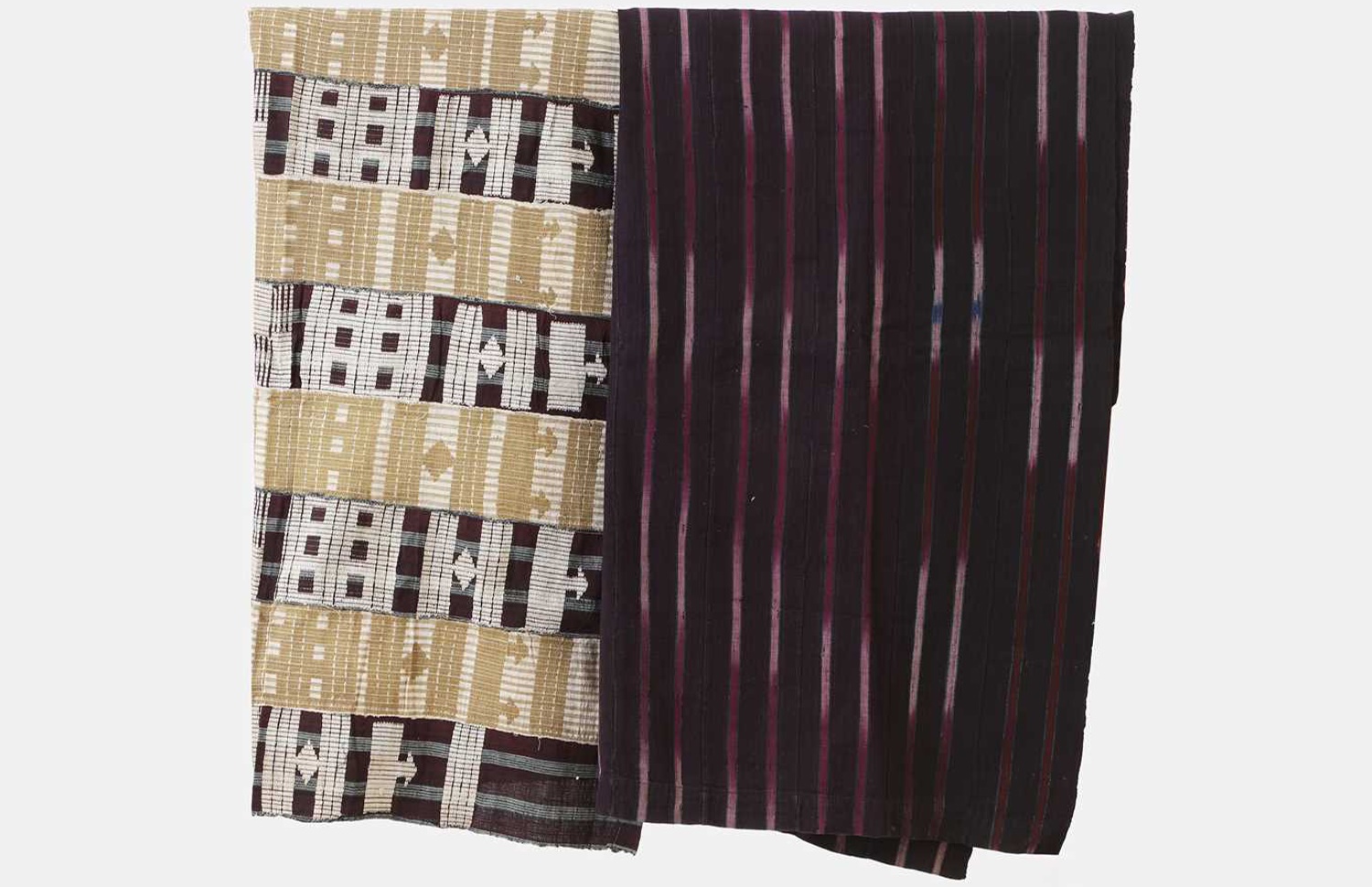
Two stripweave cloths, mid-20th century, West African (£300-500)
The Appio collection is also mentioned in John Picton and Rayda Becker, The Art of African Textiles: Technology, Tradition, and Lurex (1995), pp. 79, 134–135.

fineinteriors@sworder.co.uk | 01279 817778

On Thursday 11 June we were thrilled to host a talk given by the incomparable Rufus Bird, staged at our London Gallery in Cecil Court.
3 July 2026
We are delighted to introduce The Simon Hilton Collection, a highly personal and wide-ranging sale taking place on Monday 27 July, at 10am.
We are thrilled to announce Madge Gill: The Arcana Drawings, a selling exhibition held at our London Gallery; open weekdays from Tuesday 21 - Friday 31 July.