
Offered in our upcoming 17 & 18 June Fine Interiors sale, the Roman marble portrait head of the Emperor Titus dates back to the Flavian period, and carries an extraordinary history.
30 May 2025
VIEW LOT REQUEST A VALUATION CONTACT A SPECIALIST
Before his brief reign from 79-81 CE, Titus earned distinction as a military leader, notably serving alongside his father, the Emperor Vespasian, during the First Jewish-Roman War in Judea. The campaign was briefly interrupted by Emperor Nero’s death in 68 CE, which triggered Vespasian’s pursuit of imperial authority during the Year of the Four Emperors. Once Vespasian was proclaimed emperor on 1 July 69 CE, Titus was tasked with quelling the Jewish uprising. In 70 CE, he led the siege and eventual capture of Jerusalem, destroying the city and the Second Temple. In recognition of this victory, Titus was honoured with a triumph and his success was later commemorated by the building of the Arch of Titus, which still remains standing today.
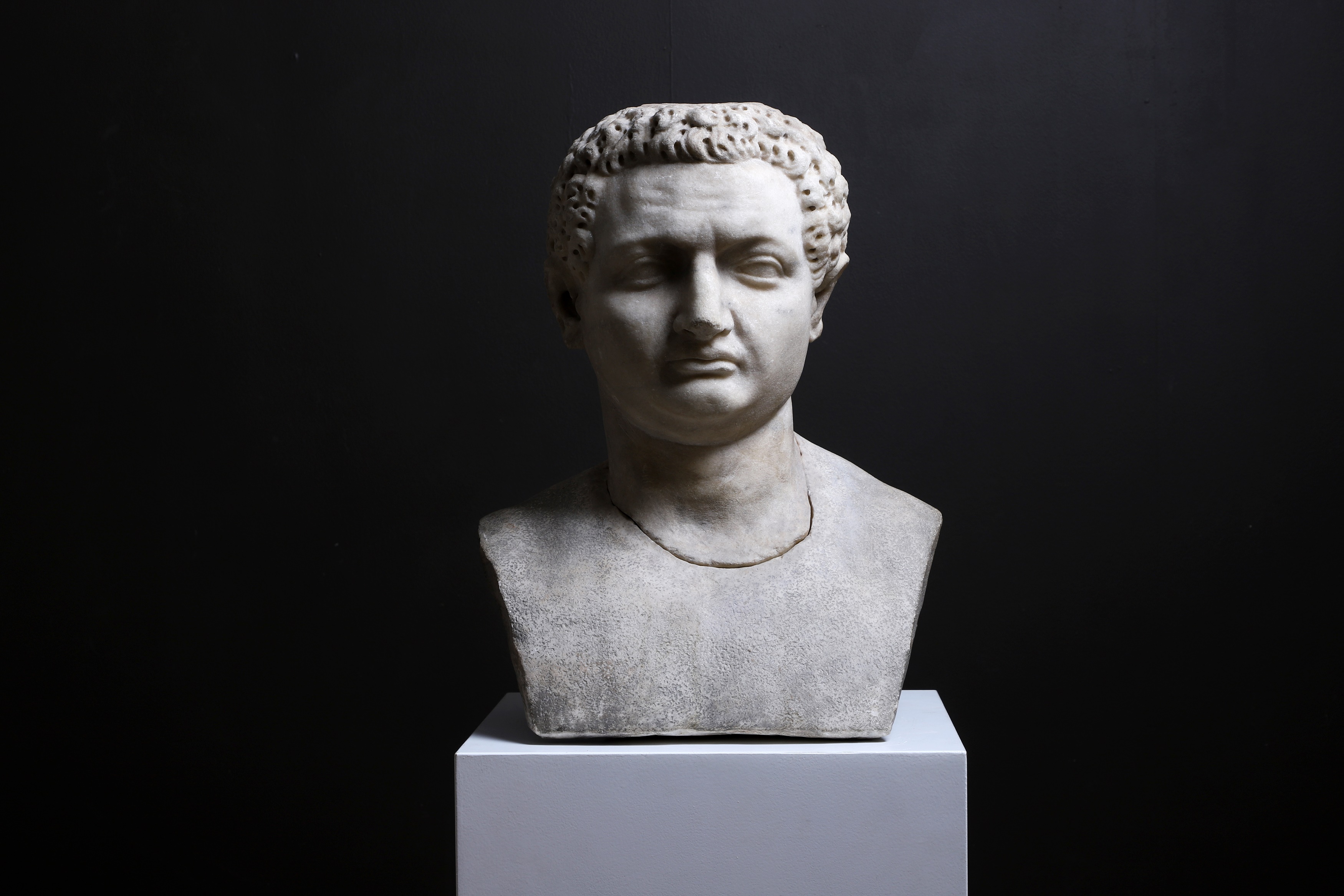
A Roman marble portrait head of the Emperor Titus, Flavian period, c.80 CE (£7,000-9,000)
This head of Titus, now on a modern bust, relates to three examples examined by Klaus Fittschen referencing scholarship, including that of Max Wegner. All youthful in appearance, each with heads turned slightly to the left, with fleshy cheeks and tight curly hair, they appear to relate to the 'Herculaneum Titus' (type A), which is understood to have been executed upon his return to Italy in 71 CE, following his victory in Judea. The drilling of the hair to the front of the head, the style and workmanship of which is consistent with that of other Flavian portraiture, finds comparisons in all of the examples brought together by Fittschen, as well as a portrait in the Borghese Gallery in Rome, which Jessica Clementi suggests may have been executed just before the beginning of Titus' reign, when he was around 40 years old.
The Princely Collections of Liechtenstein, based in Vaduz and Vienna, are among the most prestigious private art collections in the world. Franz Joseph II (1906-1989), to whom this bust once belonged, was pivotal in preserving and repositioning the Liechtenstein Princely Collection during a period of immense political and cultural upheaval. He became the first reigning prince to take up residence in Vaduz in 1938, a symbolic and strategic move that helped solidify the principality’s independence during the rise of National Socialism. One of his most consequential actions was the relocation of the core of the Princely Collection from Vienna to Vaduz during the final months of the Second World War. This safeguarded the collection from potential wartime destruction or seizure and ensured the survival of one of Europe’s most important private art collections.
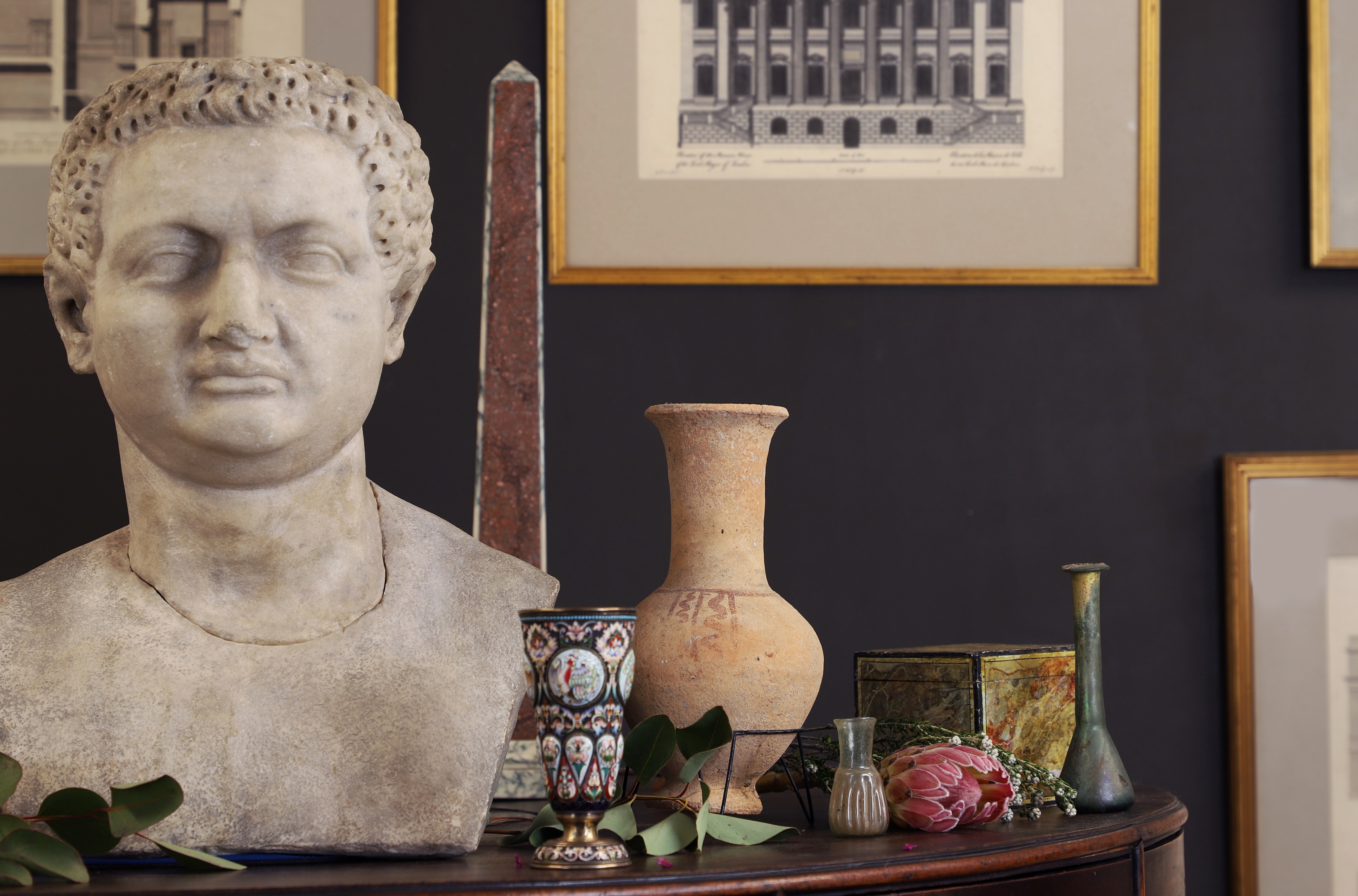
A Roman marble portrait head of the Emperor Titus, Flavian period, c.80 CE (£7,000-9,000)
In a letter of March 1974, penned by Dr Norbert Heger of the University of Salzburg to Dr Reinhold Baumstark, then director of the Princely Collections, he recalls a conversation several years prior with a Dr G Willhelm, the previous Director:
'Director Dr. Wilhelm showed me one day in Vienna four Roman heads of unknown provenance, of which three (a portrait of Titus Inv. No. F597, an [unidentified] head Inv. No. F595 and an over-life-sized bust in the style of Antinous) are not in question...'
While the date of its accession is unknown, this places the bust of Titus in the collection c.1970. Additionally, a 2008 sale of 396 works from the Princely House of Liechtenstein at Christie's, Amsterdam, included several pieces with inventory numbers from F555-F674, which are recorded as having been in Vienna between the 1920s and the 1940s, before being moved to Schloss Vaduz in 1944. It is, therefore, reasonable to imagine that this bust was among their number during that period.
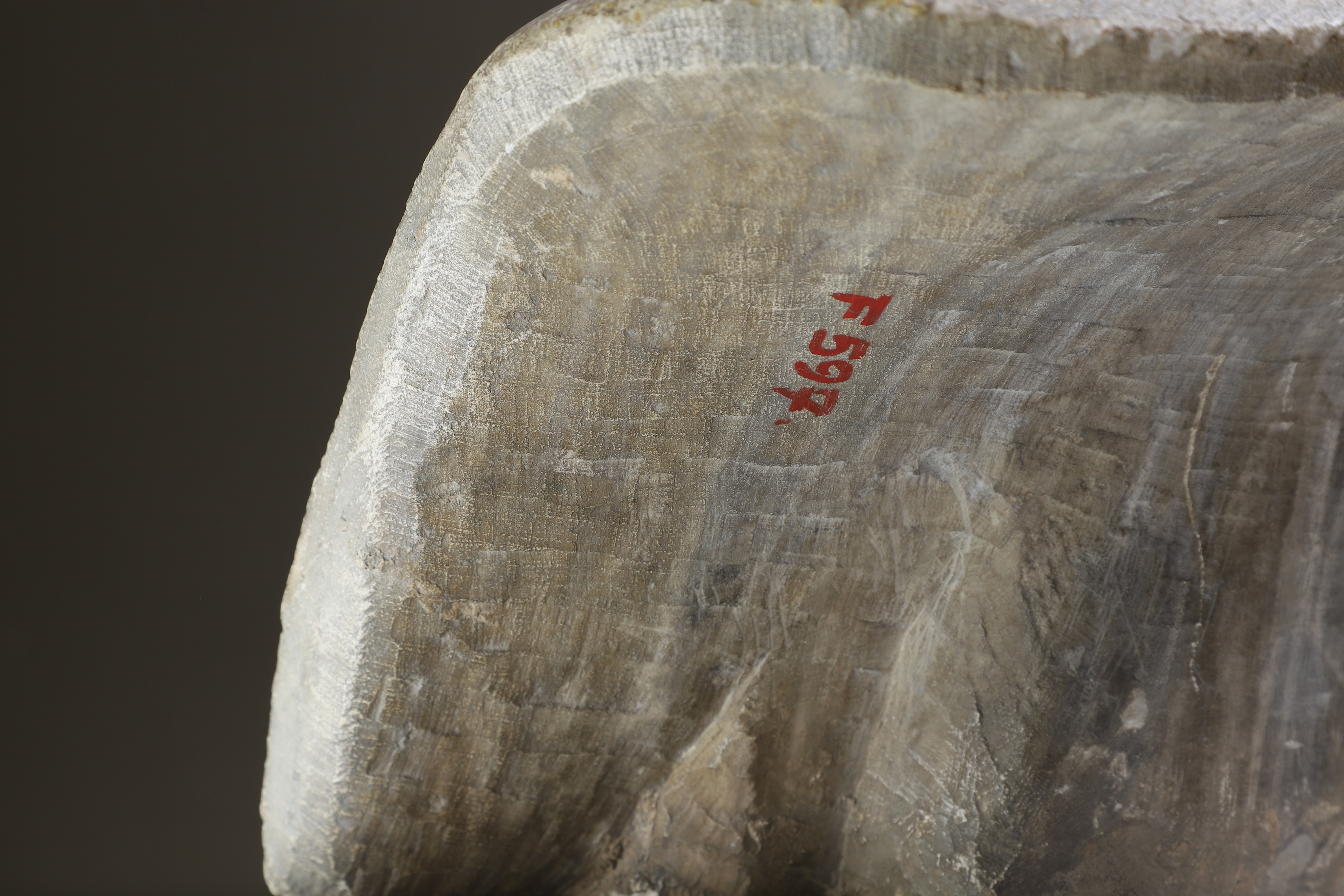
A Roman marble portrait head of the Emperor Titus, Flavian period, c.80 CE (£7,000-9,000)

fineinteriors@sworder.co.uk | 01279 817778
Ahead of our inaugural sale, The 13th Note, Head of Department Tony Salani reflects on one of music's greatest rivalries. As The Beatles and The Rolling Stones go head-to-head through a remarkable selection of memorabilia, he reveals which side ultimately wins his vote in this friendly Battle of the Bands.
12 June 2026
This summer, Sworders will offer an exceptional set of eight ‘Klismos’ Classical Greek No. 3 chairs, designed by Terence Harold Robsjohn-Gibbings and manufactured by Saridis of Athens. Presented in the 14 July Design auction in two lots of four, the chairs represent one of the 20th century’s most refined reinterpretations of the ancient world.
11 June 2026
Situated in the heart of South Kensington, 18 Thurloe Square forms part of one of London's most distinguished nineteenth-century garden residences, and we are delighted to offer items from this collection in our forthcoming Fine Interiors sale.
8 June 2026